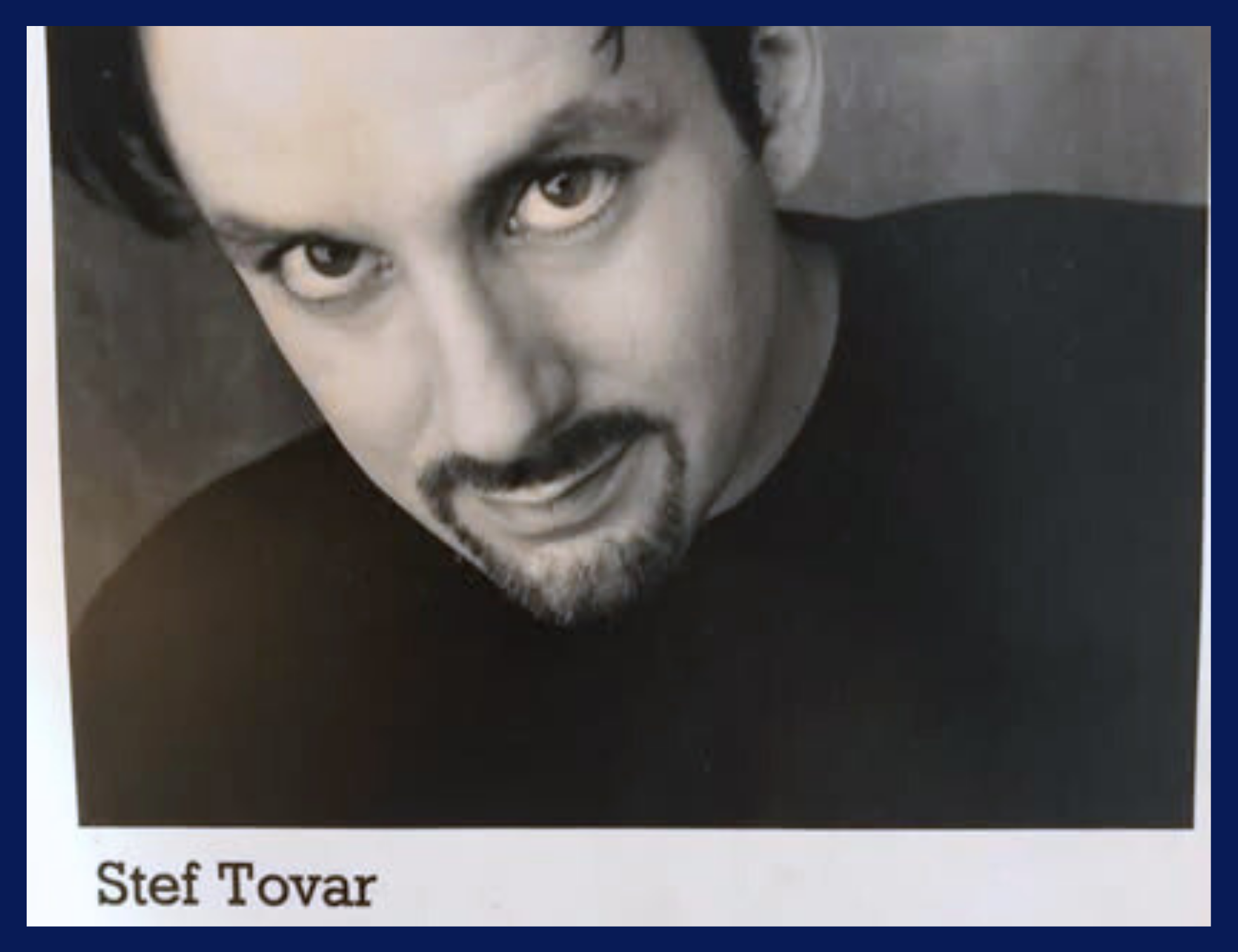
Why Your Self-Tape Might Be the New Black-and-White Headshot
Picture this: You're submitting an audition tape in 2026, proud of your clean background, good lighting, and solid read … but casting is watching it the same way they'd look at a black-and-white headshot, thinking: It’s technically fine, but just not compelling.
That's where we are, people. Self-tapes are evolving, and if you're not paying attention, you might get left behind.
When self-tapes became the norm at the tail end of 2019, right before the pandemic, actors were suddenly expected to add a whole new set of skills to their toolbox: Directing and film production. I went to acting school. I knew nothing about either. But like everyone else, I had to learn—fast—in order to compete for the same jobs I'd been auditioning for over the last 20+ years.
As an acting coach who wrote a book about on-camera technique and self-taping, I’m better than most when it comes to the technical side of what makes a compelling self-tape. I know how to craft a story, make sure the tape has a beginning, middle, and end—a real arc. Good lighting. Clear background. Strong read. Done.
Or so I thought.
As we've moved into 2026, I've noticed an evolution that even my honed on-camera senses are still adjusting to. There's a new movement toward making your audition tapes look like actual films. And it's making my once really-solid self-tapes look like the equivalent of a black-and-white headshot: technically competent, but a generation behind.
You've seen the examples. Look at Britt Lower's audition for Severance. It was filmed on her bathroom floor, complete with camera movement and stark, moody lighting. (And that was back in 2019, by the way!) Or check out the work Mickey O'Sullivan is doing to put actors on tape. More and more, we're seeing actors turn in auditions that truly look like films.
So when I got the first series-regular audition I've had in easily five years or more, I started thinking outside the box.
I called Patrick Mulvey—someone who is working more than just about anyone I know in television and film right now, having just appeared on The Pitt and at the recent premiere of Crime 101 And it doesn't hurt that he's married to Marika Englehardt, someone with a long resumé of her own and an excellent eye for directing actors. (Pro Tip: If you want to be better, work with people who are better than you. Surround yourself with folks who elevate your game.)
I asked if I could drive out to their place and tape. The audition was for a police procedural set in Joliet, Illinois, so I wanted a different look—something that felt lived-in and real. Pat suggested filming in his basement. Wood paneling. Moody lighting. It was perfect.
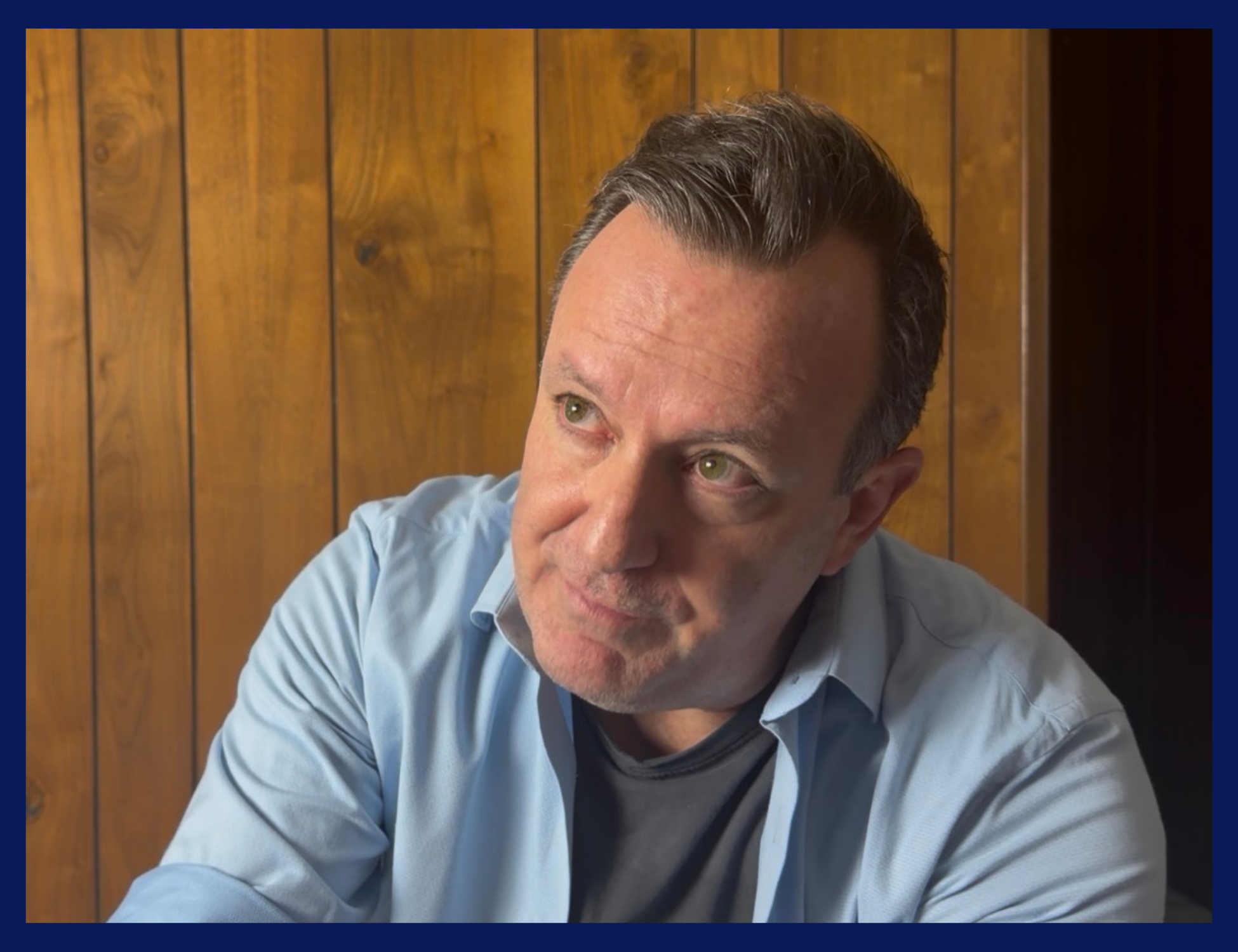
I turned in those takes really proud of what we'd come up with—and casting agreed, because they called me back to tape for another role.
This time Pat was out of town, so I used my at-home setup with my go-to reader and dear friend, Elizabeth Ledo. But I tried new angles, darkened the lighting, and focused on making the scenes feel like slices of life rather than actor auditions.
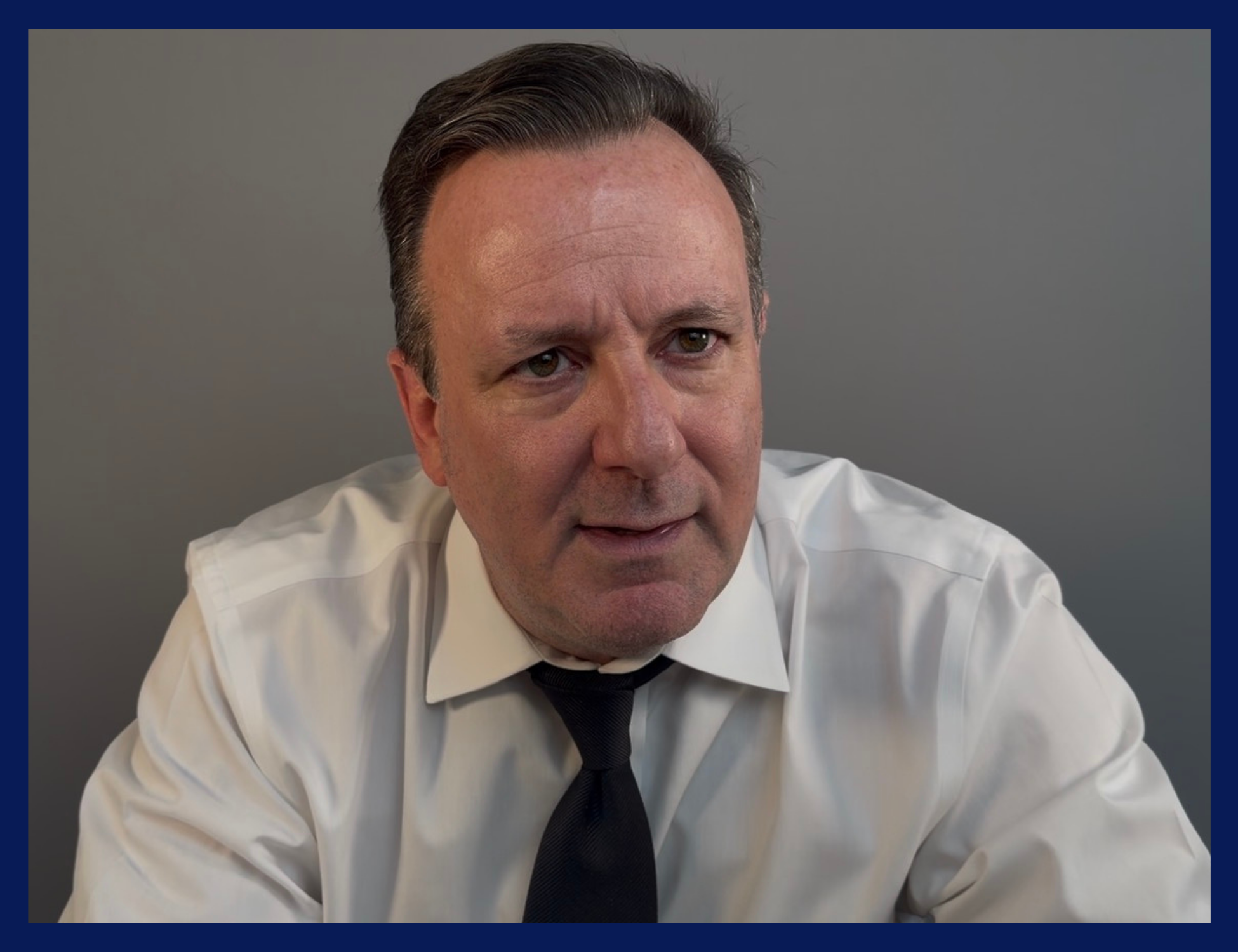
Here's what this experience crystallized for me: I've been saying for years that my job as an on-camera coach is to help actors not look like actors, but humans. When we watch a self-tape, we don't want to see the craft or how the sausage is made. We want to see the character—the human—and feel like we've stepped into their world for a few minutes. But that principle has now gone to a whole new level. It's not just about being “natural” anymore. It's about creating a cinematic world for your character to live in—even in an audition.
And this is all before AI enters the picture—which, if we're being honest, it already has. Actors are already experimenting with AI-generated backgrounds, enhanced lighting, and even AI-assisted editing to make their tapes look more cinematic. I'll be straight with you: It’s unsettling to me. Not because I think technology is the enemy, but because the thing that has always mattered most—the raw, human moment between an actor and a camera—can get buried under layers of artificial polish. That said, I'm also a realist. AI isn't going away, and the actors who figure out how to use it as a tool without losing their humanity on screen are going to have a real advantage. It's worth paying attention to, but remember: The stories in the “Box”—your auditions–will always be told with your eyes and thoughts, not with AI-generated bells and whistles.
So here's my challenge to you: Start thinking outside the box when it comes to your self-tapes. Really dig into story and how your character fits into it. Create an arc with a beginning, middle, and end. For those of you who have read my book and taken my class: Use your "Need to Speak" and your "Buttons.” Think like a director: Play with angles. Make your lighting interesting and intentional. Think about where your character actually lives, and put them there.
Because if you're not thinking this way yet, you might find yourself turning in the equivalent of a black-and-white headshot to casting.
And we both know that at some point—maybe even today—that’s not going to book the job.